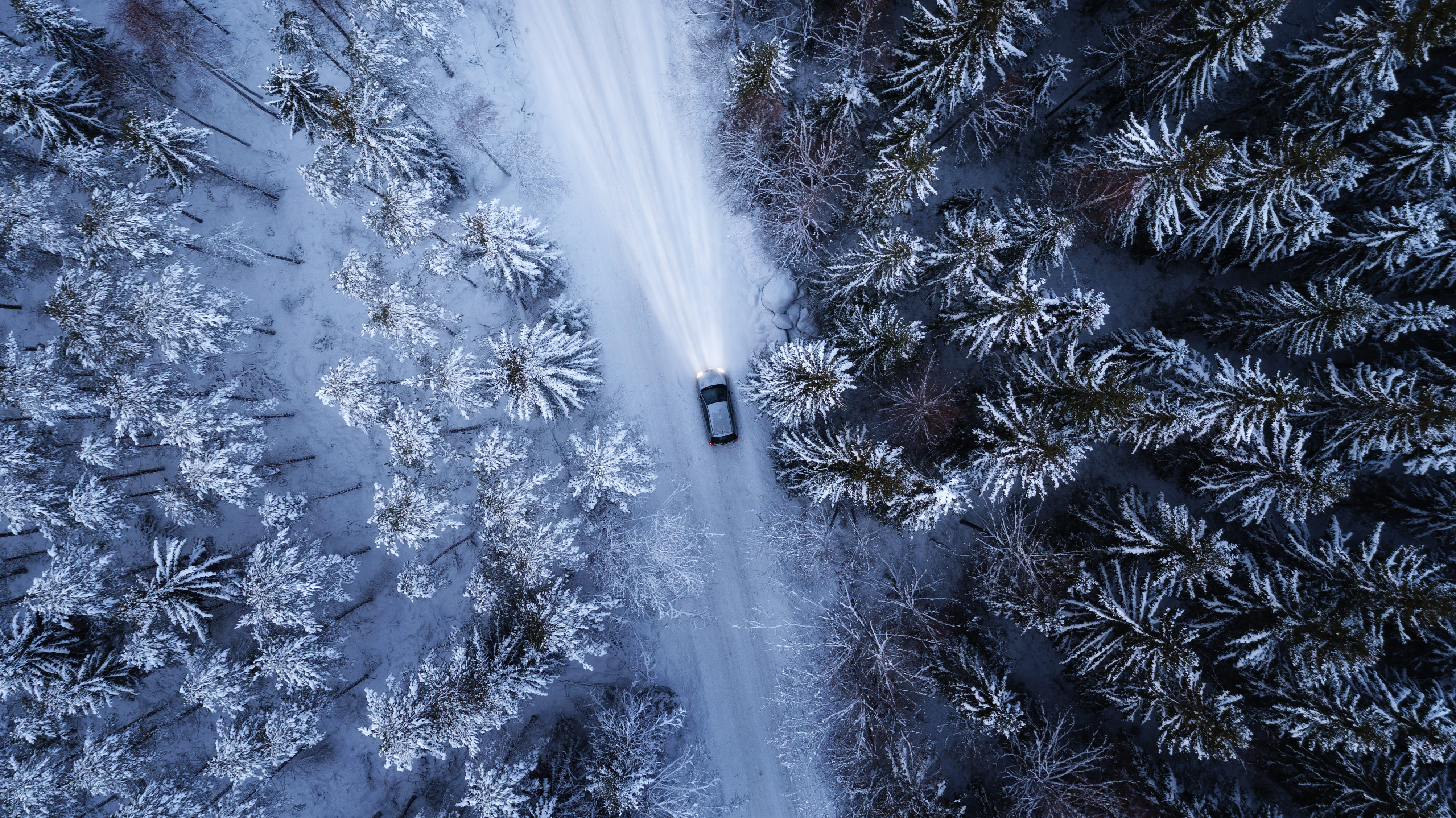
Winter Driving Guide 2025 | Essential Safety Tips for UK Drivers & Fleets
As winter tightens its grip across the UK, drivers face a unique blend of challenges — freezing temperatures, darker days, icy patches, and unpredictable storms. These conditions don’t just test your patience; they test your vehicle too. Whether you're managing a business fleet or simply taking the kids to school, understanding how winter impacts road safety can make every journey smoother and safer.
This in-depth guide gives you everything you need: expert advice, simple checklists, winter maintenance tips, and practical driving techniques to keep you, your passengers, and your vehicle protected throughout the cold months.
🌨️ Understanding the Risks of Winter Driving
UK winters are notorious for rapid weather changes. One moment the sky is clear; the next, you’re dealing with sleet, black ice, or heavy fog.
Here’s what makes winter driving uniquely dangerous:
Reduced Visibility
Fog, rain, and early sunsets shorten reaction time dramatically. Dirt and salt also smear windscreens, increasing glare from headlights.
Longer Stopping Distances
On icy roads, your stopping distance can be 10x longer. Even a small loss of traction can cause major incidents.
Colder Temperatures
Low temperatures thicken engine fluids, drain batteries, reduce tyre grip, and affect electric vehicle range.
Unpredictable Road Conditions
Black ice, slushy puddles, and frost patches often appear in shaded areas or on bridges — even when the rest of the road looks dry.
Understanding these risks is the first step in mastering winter travel.
🛠️ Winter Vehicle Check: Your Essential Preparation Routine
Before you even turn the key, taking a few minutes to inspect your vehicle can prevent breakdowns and accidents. Here’s your extended winter checklist:
1. Tyres: Your First Line of Defence
Proper tyres are crucial for safe winter driving.
Aim for a minimum 3mm tread depth, although deeper is better for grip.
Check tyre pressure weekly — cold weather deflates tyres quickly.
Consider winter tyres if you regularly drive in rural or cold regions.
Inspect for cracks or bulges, which worsen in low temperatures.
2. Battery: Don’t Get Caught With a Flat
Batteries lose a significant amount of power in cold weather.
If your car struggles to start, get a battery test ASAP.
Short trips drain batteries more quickly — try to take longer drives occasionally.
Keep terminals clean and corrosion-free.
A weak battery is the number one cause of winter breakdowns.
3. Fluids & Filters: Keep Everything Flowing Smoothly
Cold weather thickens fluids and strains your vehicle.
Use winter-grade screen-wash to prevent freezing.
Check coolant/antifreeze protects down to at least -15°C.
Ensure oil is topped up and changed on schedule.
Replace clogged filters to avoid performance drops.
4. Lights: Be Seen, Be Safe
With dark mornings, early nights, and gloomy weather, lighting becomes essential.
Clean headlights weekly — dirt and salt reduce brightness.
Replace dim bulbs immediately.
Use fog lights only when visibility drops below 100m.
Keep rear lights clean for maximum visibility to others.
5. Windscreen, Wipers & Heating System
Clear visibility is non-negotiable.
Replace worn wipers — winter rain and snow demand full performance.
Repair chips or cracks; cold weather makes them expand.
Use a proper ice scraper — not hot water — to avoid damaging glass.
Make sure your heater and demister are working effectively.
🚗 How to Drive Safely in Harsh Winter Conditions
Driving in winter is as much about mindset as technique. Slow, steady, and prepared is the golden rule.
1. Adjust Your Speed & Spacing
Double — or triple — your normal following distance.
Avoid overtaking unnecessarily.
Reduce speed on shaded roads, bridges, and rural lanes where ice lingers.
2. Keep Your Movements Smooth
Jerky motions cause skids.
Brake gently, steer smoothly, and accelerate gradually. If traction feels low, ease off the pedal — don’t fight the car.
3. Mastering Skid Control
If you start to skid:
Don’t slam the brakes.
Ease off the accelerator.
Steer gently in the direction you want the car to go.
Let the tyres regain grip naturally.
Staying calm is key.
4. Visibility Techniques for Winter Weather
Use dipped headlights in rain, snow, and poor light.
Avoid full beam in fog — it reflects back and blinds you.
Keep spare washer fluid in the boot.
5. Know When NOT to Drive
Sometimes, the safest decision is staying put.
Avoid driving if:
There’s active severe weather warnings
Roads are untreated
Visibility is dangerously low
No journey is worth risking your safety.
🔌 Winter Tips for Electric Vehicle Drivers
EVs excel in winter with instant torque and stable traction, but cold temperatures affect range and charging.
1. Pre-condition the Cabin & Battery
Warm the car while plugged in — keeping range intact and improving performance.
2. Regenerative Braking Changes in Winter
Some EVs limit regen braking until the battery warms up.
Be prepared for slightly different braking feel on cold mornings.
3. Charge More Frequently
Cold batteries charge slower and deplete faster.
Keep your EV topped above 20% during severe cold spells.
4. Use Efficient Heating
Heated seats and steering wheels use less energy than blasting cabin heat — and keep you cosy.
🧊 Winter Emergency Kit: Be Ready for Anything
Every driver should keep a winter essentials kit in the vehicle:
Phone charger or power bank
Ice scraper & de-icer
Warm blanket or spare coat
Snacks & water
Torch
Hi-vis jacket
First-aid kit
Jump leads
Warning triangle
Anti-slip mats or traction aids
A little preparation today saves a lot of stress tomorrow.
🏢 Keeping Your Business Fleet Safe in Winter
Fleet managers face unique challenges when temperatures drop.
A single breakdown can disrupt schedules, increase risk, and cause operational delays.
Encourage all drivers to:
Perform regular winter checks
Complete walk-around inspections
Report faults immediately
Plan routes with weather updates
Build extra time into deliveries
Carry emergency equipment
Prevention is always cheaper — and safer — than reacting to a winter incident.
Winter doesn’t have to be intimidating. With the right preparation, safe driving habits, and regular vehicle checks, you can navigate the cold months confidently and safely.
Whether you’re managing a fleet or driving solo, a little extra care goes a long way in keeping everyone protected.